Finance explained in plain English — with pictures that teach
Long-form essays that connect the guides, calculators, and intuition behind corporate finance. Every article is illustrated and cross-linked to the full topic guides, so you can go as deep as you want.

The Time Value of Money: The One Idea That Powers All of Finance
A dollar today beats a dollar tomorrow — and every tool in corporate finance, from NPV to bond pricing, is just that idea wearing different clothes. Here is how the principle works, why compounding is its engine, and how to use it for real decisions.
Hira Shahid
CFA · Finance Educator · October 12, 2026

How to Read the Three Financial Statements Like an Analyst
The balance sheet, income statement, and cash flow statement each tell a different lie — and together they tell the truth. Learn how analysts cross-read the three statements to spot strength, stress, and manipulation that any single statement hides.

DCF Valuation Explained: From Cash Flows to a Per-Share Value
Discounted cash flow is the most fundamental valuation method in finance — and the easiest to get wrong. This walkthrough builds a DCF step by step, shows where terminal values go wild, and explains how to sanity-check the output like a professional.

NPV vs IRR: Which Rule Should Rule Your Capital Budget?
Both metrics discount cash flows, both are taught everywhere, and both disagree with each other exactly when the stakes are highest. Understand where IRR misleads, why NPV wins the textbook argument, and how professionals combine the two in practice.

WACC Demystified: How Companies Price Their Own Capital
Every investment the firm makes is judged against a blended cost of debt and equity that most managers can quote but few can build. Walk through each ingredient of WACC, see why the weights matter more than the rates, and avoid the errors that silently misprice risk.
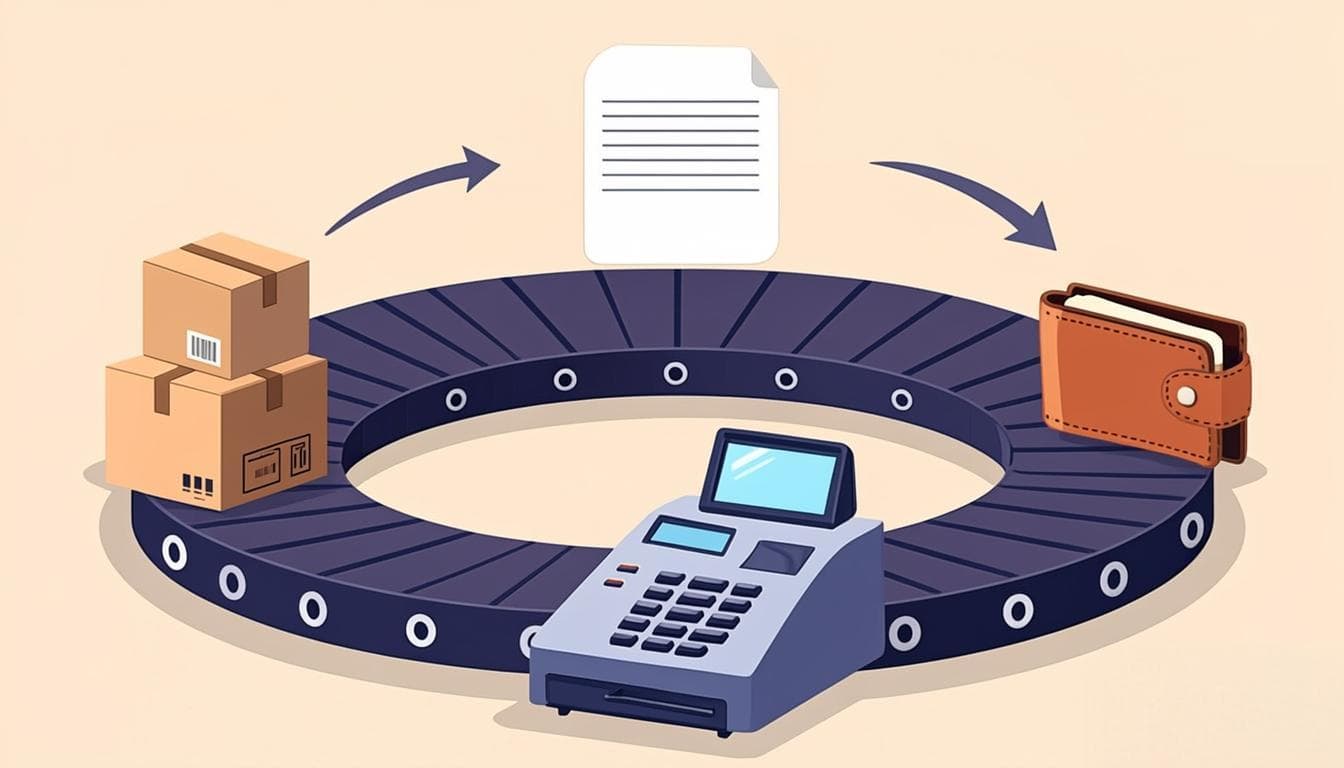
Working Capital Management: The Cash Hidden in Your Balance Sheet
Companies do not only run out of profit — they run out of cash. Learn how the cash conversion cycle measures the time your money spends trapped in inventory and receivables, and the practical levers that release it without touching a bank.